

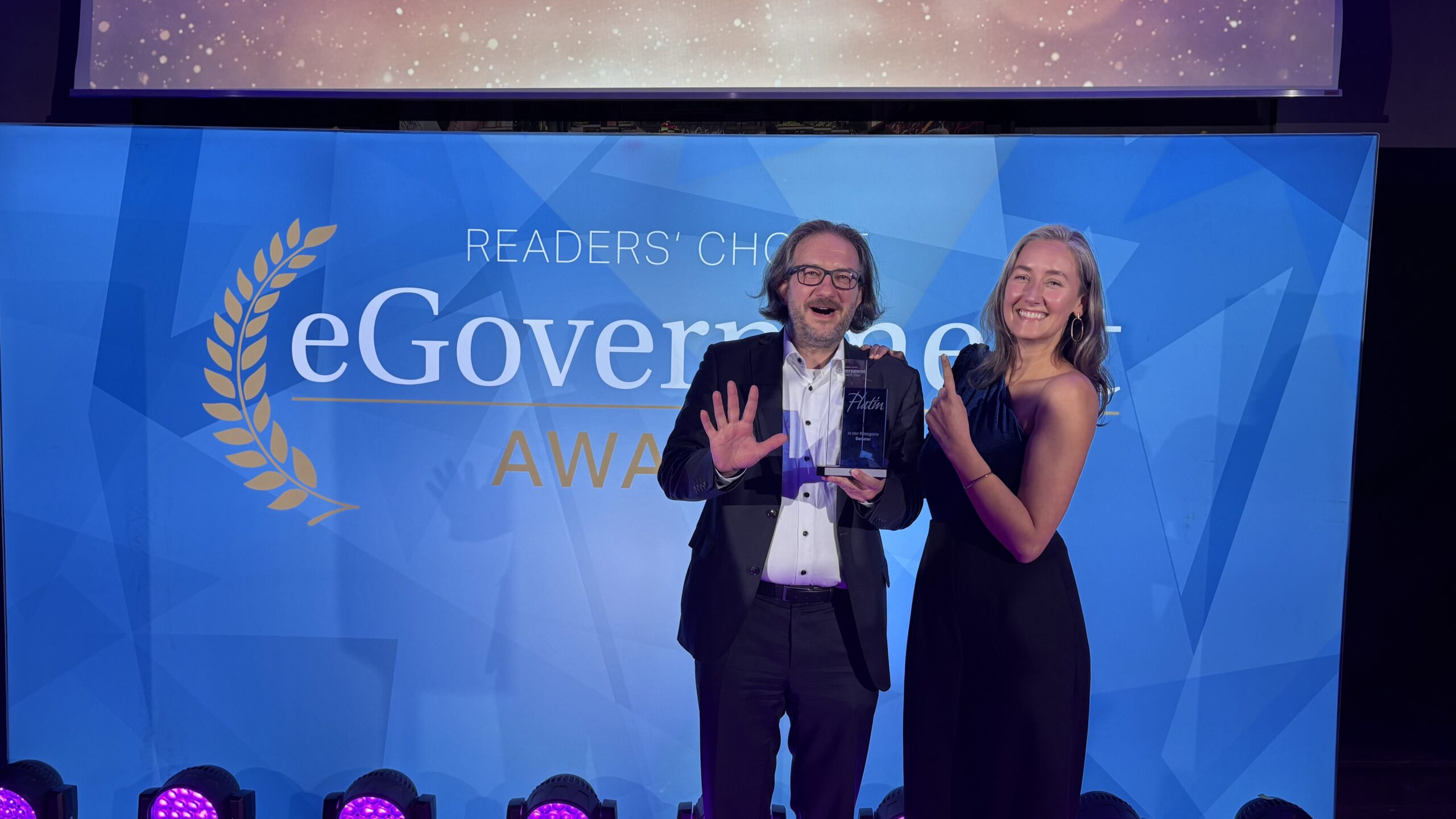

Sovereignty that makes a difference: Networking event for Public Administration on November 19 in...
Sovereignty determines how effective public administration remains in times of change. That is precisely what this networking event on November 19, 2026, in Hamburg’s Speicherstadt is all about. We bring together people from the fields of public administration, consulting, and technology who have practical experience with this topic.

Agentic Coding without Data Leakage: ESACA for Critical Infrastructure Companies and Public Authorities
ESACA was at the center of a breakout session at the 2026 Fsas Technologies Summit, presented by Dr. Jan Jikeli, Head of Artificial Intelligence at MGM. In his talk, Dr. Jikeli showed how critical infrastructure companies and public authorities can use agentic coding without sensitive data leaving their data centers.

Podcast Industrial Insurance Digital: Q12-TMT Test Management Tool at KA Köln.Assekuranz
Test management is something that most teams know they need, but nobody wants to take ownership of. Test cases end up in spreadsheets, communicated...

Are CIOs becoming obsolete? One white paper, three trends, four questions
The question “Are CIOs becoming obsolete?” is not new. The Harvard Business Review first posed it back in 2000: Are CIOs obsolete? Today, the question resurfaces with greater urgency and a significantly more complex context. Three trends are currently impacting CIOs simultaneously.
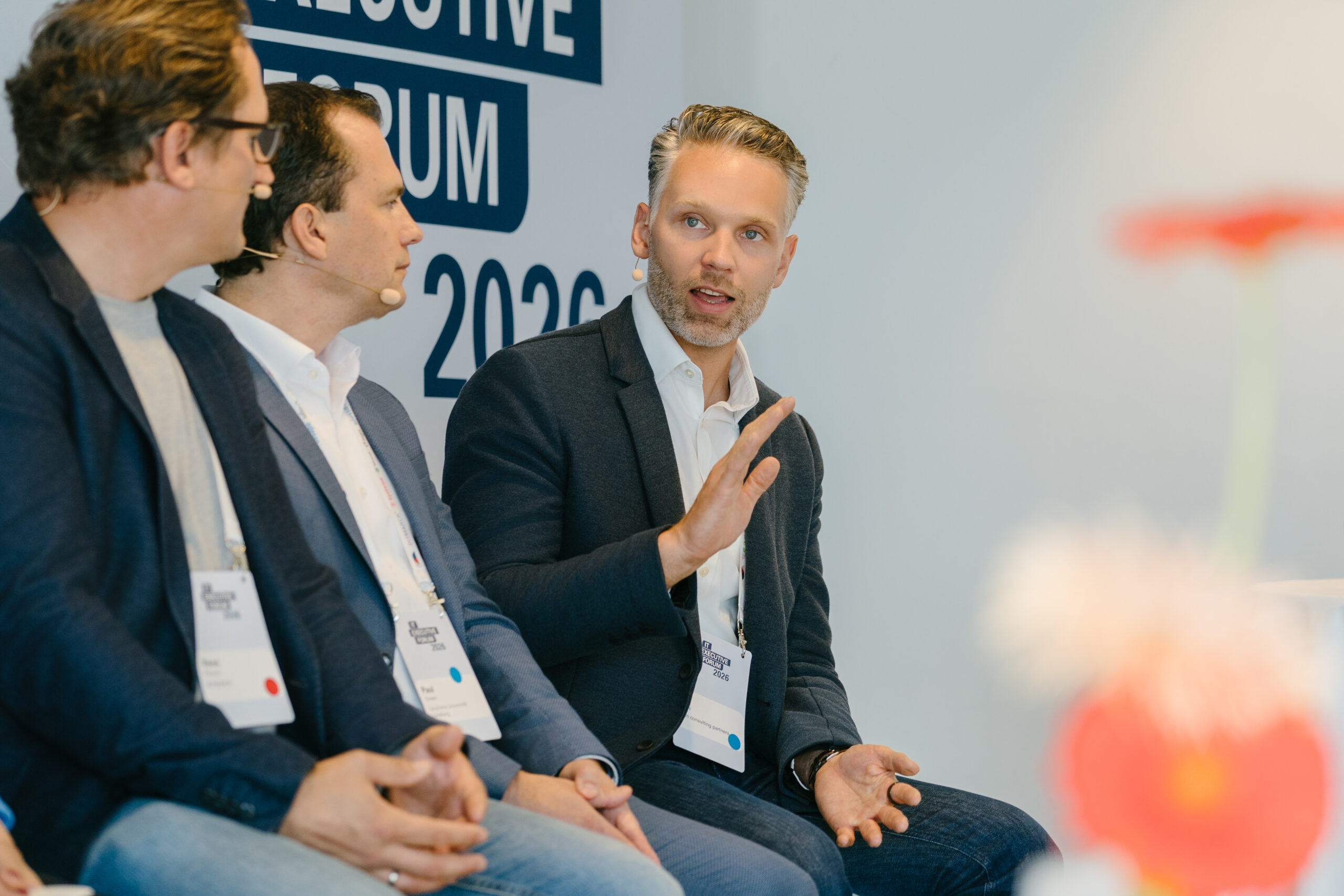
Rethinking IT – A look back at the 2026 IT-Executive Forum
On June 9, Frank Kneschke, Nils Gralfs, and Anne Bernemann represented mgm consulting partners at the IT Executive Forum in Hamburg. There were 120 IT executives, a long day, many open discussions, and a few questions that were still on our minds on the way back.

Future congress on government & administration 2026: Sovereignty is a choice
Two days in Berlin, over 2,000 decision-makers from government, politics, and business, and one theme that ran through nearly every discussion: Those who do not control their own digital infrastructure lose their ability to act. The Future Congress on government & administration 2026 demonstrated that digital sovereignty has long been a pressing issue of the present. mgm was represented this year with two program contributions and actively shaped the debate.

mgm consulting partners joins the Project Management Alliance
By joining, we add a valuable perspective to this network: experience from large, company-wide digitalization initiatives where project management and organizational development are inextricably linked. We bring methodologies from IT-driven transformations that go beyond traditional project management, thereby making the Alliance accessible to clients who want to shape transformation across its full scope.

Rethinking IT at the IT-Executive Forum 2026 in Hamburg
On June 9, IT decision-makers from all over Germany will gather in Hamburg. At the IT Executive Forum hosted by the IT Executive Club, around 120 executives will gather at the Factory Hammerbrooklyn to discuss the issues currently at the forefront of the IT world: hybrid threats, digital sovereignty, artificial intelligence, and what the IT organization of the future will look like.
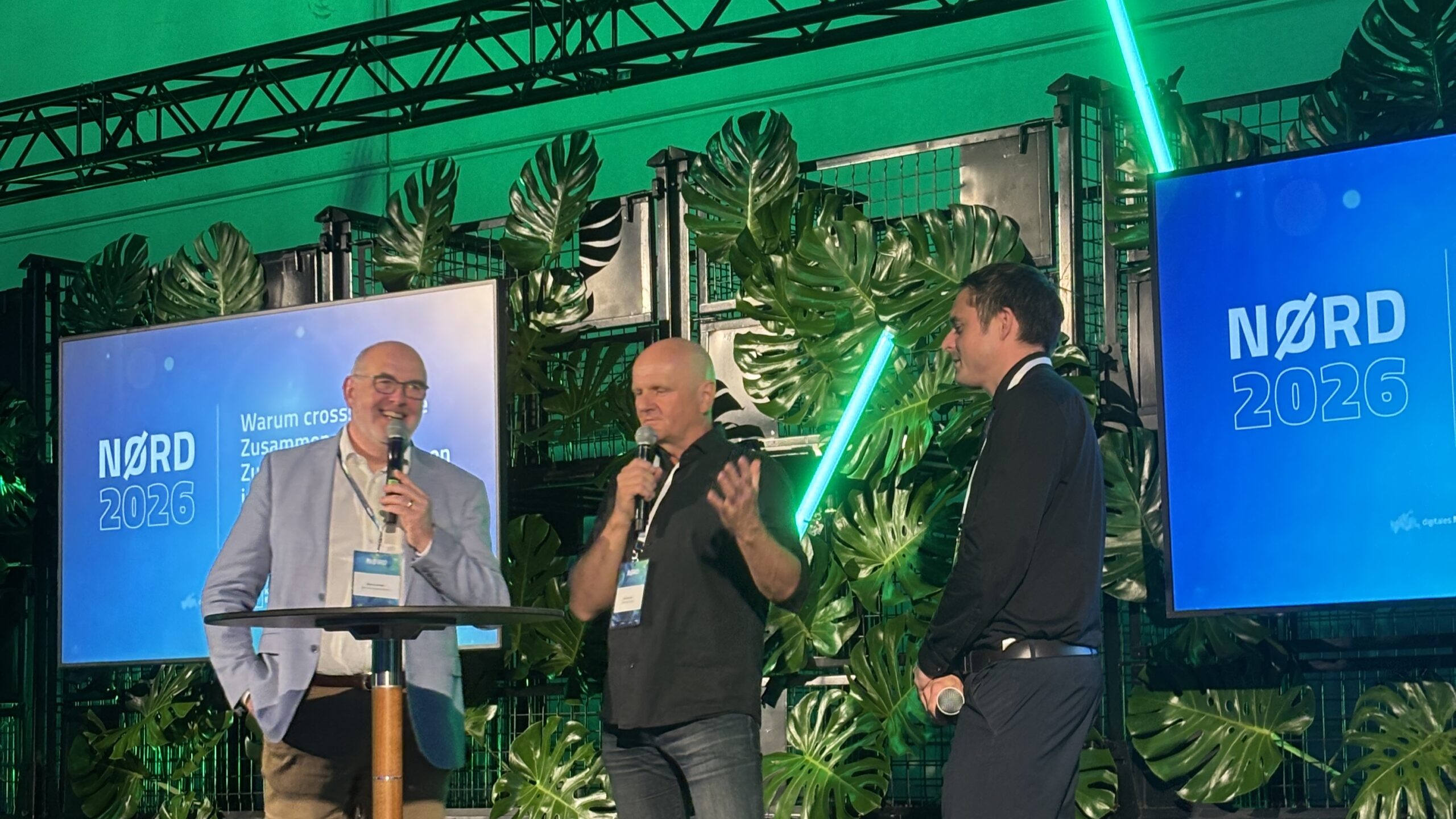
Podcast: How states and local governments are really driving digital transformation
In this episode of Innovation Implemented, Hauke Rickertsen from the Ministry of Finance and Digitalization of Mecklenburg-Western Pomerania, Raik Writschan from the City of Rostock, and Marcus Warnke from mgm consulting partners discuss at Noerd in Rostock what happens when the state and local governments establish genuine joint structures.

Sovereignty with an impact! In control of technology, or controlled by technology?
When the topic of digital sovereignty comes up in public administration, many people first think of technology—software, servers, the cloud, and license agreements. That’s not wrong, but it doesn’t tell the whole story. At its core, digital sovereignty is a question of power.