


3 tips for using AI successfully – in the DIE MACHER podcast
Recently, our Austrian colleagues Karin Gruber, Yvonne Danzinger and Thomas Brugger were interviewed for the DIE MACHER podcast. The focus was on the question of how companies can gain a competitive advantage through the use of artificial intelligence and how best to get started.

What makes a professional Scrum Master?
In recent years, almost all companies have embarked on the path of agility. While some have driven this change quickly and decisively, others have taken a more cautious and gradual approach. Almost every company has either hired scrum masters or agile coaches internally or utilised external experts. The demand for these specialists has been and continues to be high - no wonder, given that it is a demanding and responsible task.

Modernization of specialist procedures: Challenges and solutions
The modernization of specialist processes in public administration is essential in order to successfully meet the requirements of digital transformation. Increasing digitalization, demographic change and the need for new operating models all require outdated processes to be redesigned.

Podcast: The success factor of project management in S/4HANA transformations
Erfolgreiche S/4HANA-Transformationen sind kein Zufall! Merle Best und Tobias Richwien teilen ihre Erfahrungen aus ganz unterschiedlichen S/4HANA-Projekten und zeigen, wie entscheidend gutes Projekt- und Programmmanagement für den Erfolg ist.

mgm at the Smart Country Convention 2024: practical AI and digitalization vs. bureaucracy
The Smart Country Convention (SCCON), the leading event for the digitalization of the public sector in Germany, will take place from 15 to 17 October 2024. We will be there with two exciting topics for you and look forward to your input and discussions about your challenges.

The Scrum Master: More than just a meeting moderator
Agile methods such as Scrum have long been an integral part of German companies. Scrum is particularly popular in a dynamic environment where rapid market maturity and continuous product improvements are crucial. Nevertheless, despite the high level of acceptance of the methodology, the role of the Scrum Master is constantly being scrutinised. Why is the Scrum Master often called into question?

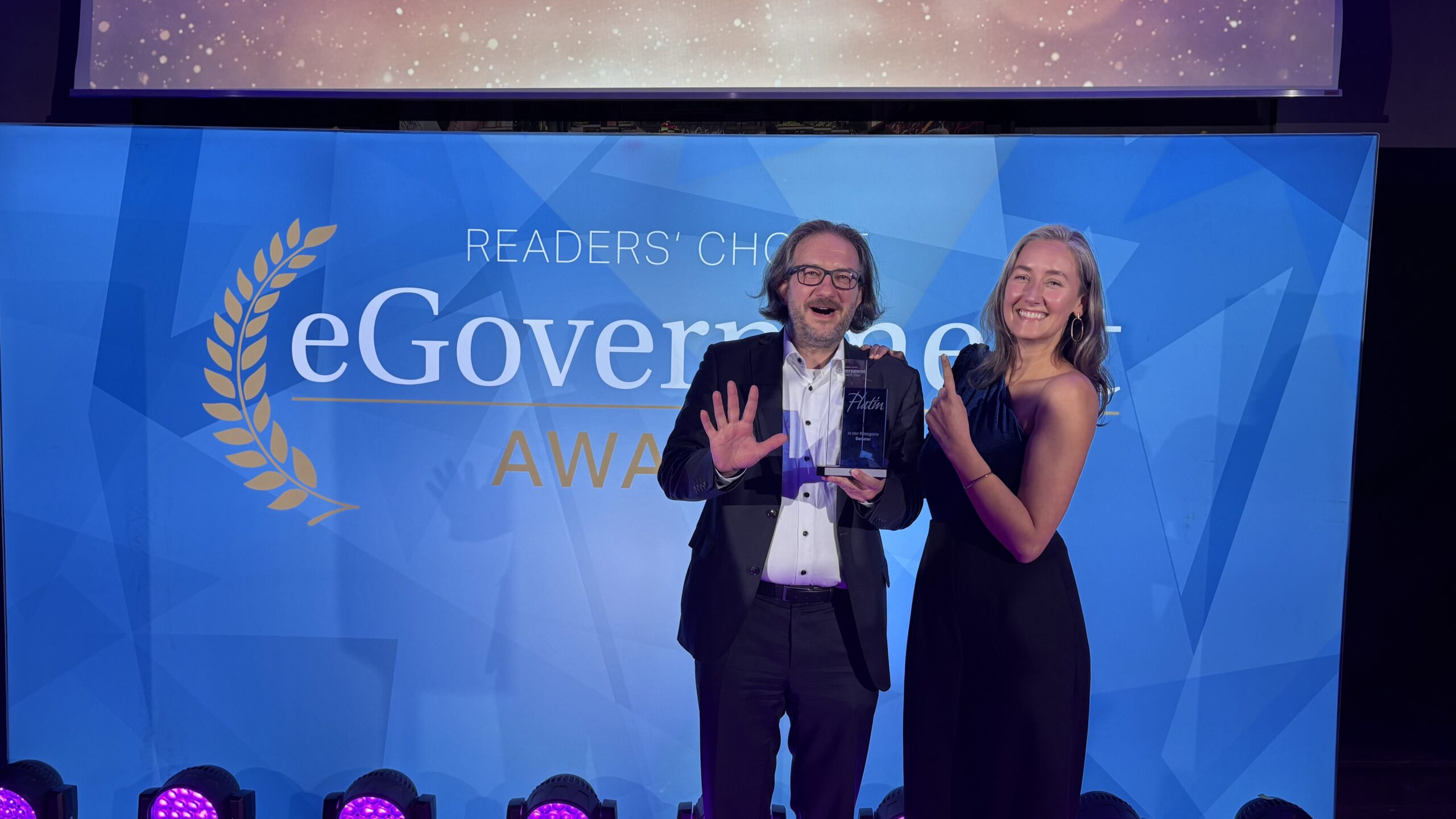
eGovernment Readers’ Choice Award: mgm wins platinum in the consultant category for the fourth...
For the fourth year in a row, mgm has been honoured with one of the coveted awards in the consultant category. With the annual presentation of its prestigious award, the trade magazine eGovernment Computing from Vogel-IT honours exceptional achievements in the field of digital administration.

The product owner and the tension between agility and tradition
Hardly any company in Germany has not tried to increase efficiency and flexibility in projects and organisations using agile methods. While agile pilot projects are often successful, the comprehensive rollout of agile practices at departmental or company level poses considerable challenges for management and HR departments.

Internal vs. external GenAI projects: A decision guide for companies
Companies s are often faced with the decision of whether to implement GenAI projects internally or outsource them to external service providers. This question is becoming increasingly important in view of the rapid developments in the field of generative artificial intelligence (GenAI). To make this decision easier, there are a number of criteria that help companies to systematically classify projects.
Scale AI Deep Dive Day: Workshop on the future of sales in the insurance...
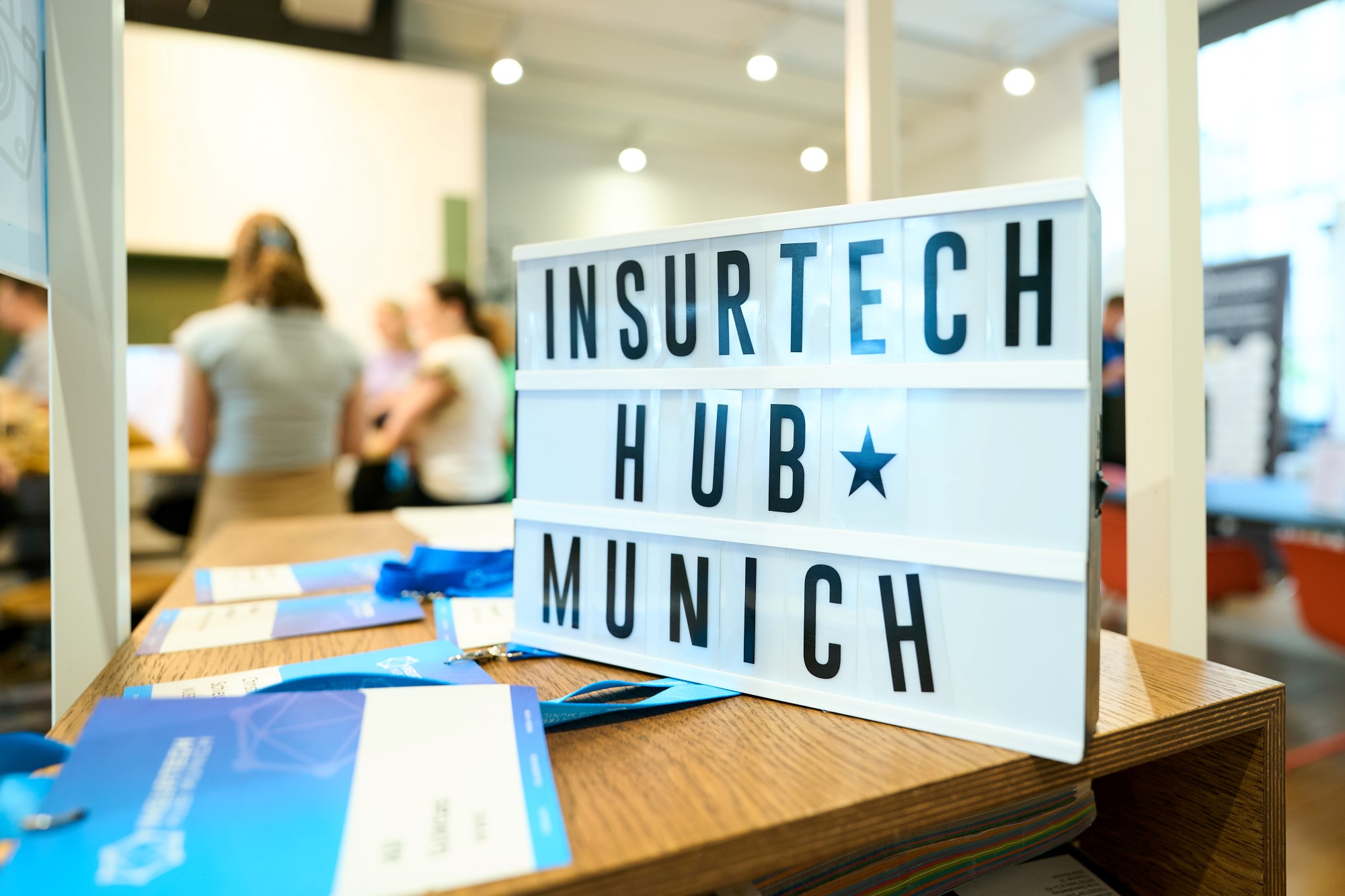
Artificial intelligence (AI) offers enormous opportunities for all industries and will also revolutionise the insurance industry in many ways, for example through the automation and optimisation of processes, personalised customer contact, more precise risk assessments and more efficient claims processing.