mgm Quality Assurance
Holistic Quality Assurance for Enterprise Software
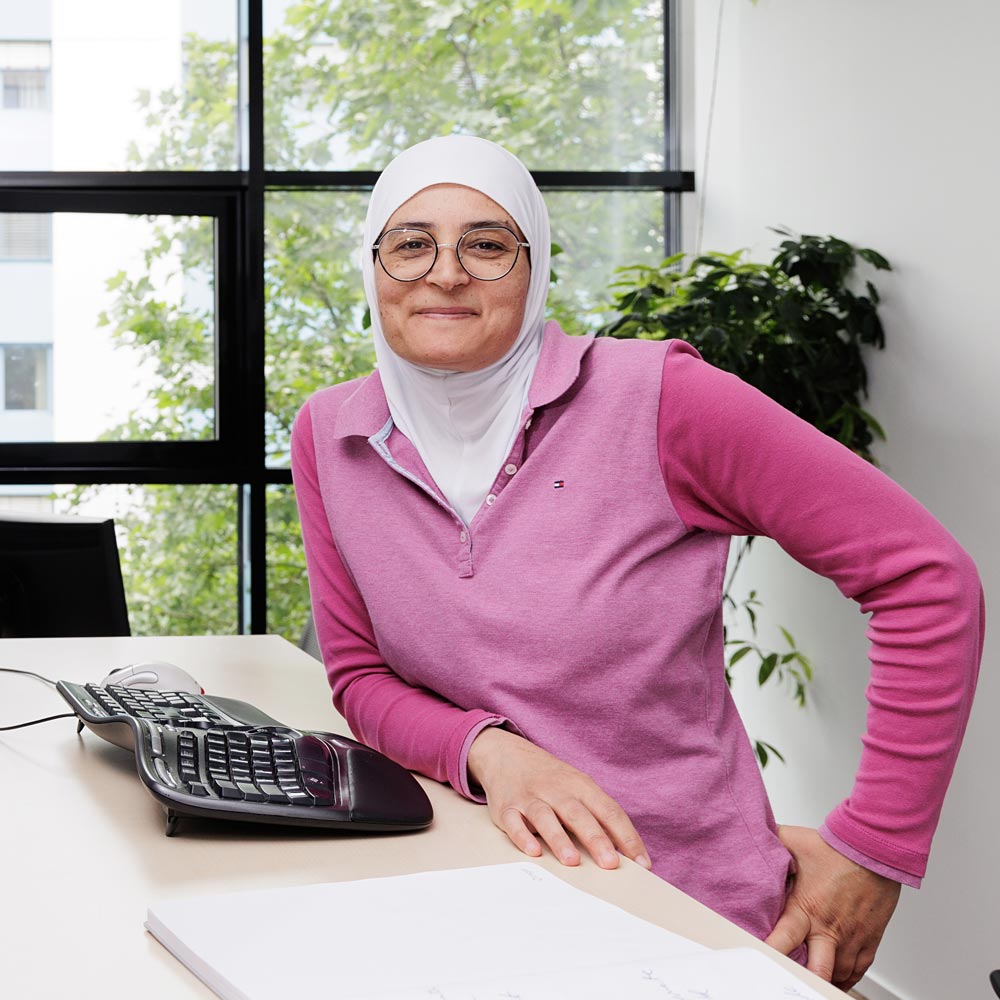
"Quality assurance has evolved in a remarkably holistic way."
In recent years, quality assurance processes have been continuously improved and optimized. Together with the mgm Quality Team, we take a look behind the scenes of this development.
Our Topics
Automated End-to-End Tests
Automated Security Tests
Load & Performance Tests
News

More Speed, More Tests, More Problems? Sustainable AI in Test Automation
AI can generate test cases, test code, and assertions in minutes, but more tests don’t automatically mean better software quality. This article shows where AI adds real value in test automation and why unreviewed tests quickly lead to technical debt, false alarms, and growing maintenance effort. With seven guardrails and the right metrics, QA teams learn how to use AI deliberately while covering the risks that truly matter.

How Quality Assurance for Justice Software Works
Error-free justice software doesn’t start with testing. What matters is how the law is translated into software. This article explains why model-driven software development makes legal rules verifiable, what the judiciary can learn from ELSTER, and how quality is maintained over decades.
Software-QS-Tag 2026: mgm and QF-Test on AI in testing
At Software-QS-Tag 2026 in Frankfurt on November 11 and 12, mgm presents two talks and a panel on AI in software testing. You can also find us at our booth with QF-Test on both days.

Vote for Lilia Gargouri at the 2026 WIN Awards
Our Head of QA Lilia Gargouri has been nominated for the 2026 WIN Awards in the "Women in eGovernment" category as Team Leader. The award honors women shaping IT, the public sector, and healthcare – and the winners are chosen by public vote. Find out what sets Lilia apart and how to cast your vote by October 30 2026.

Between AI Euphoria and Quality Engineering: Why We’re at Risk of Forgetting How to...
Agentic coding promises self-healing tests, automated reviews, and code at record speed. But what happens to software quality when no one questions what's actually being tested against anymore? A wake-up call from the conference circuit.

How QF-Test Makes Agentic Testing Possible
What if an AI agent could not only write code but also verify its functionality? With QF-Test 11, that is no longer a preview scenario. The new version of the UI test automation tool from the mgm group brings agentic testing into everyday QA work in two directions: AI works inside QF-Test, and external AI agents use QF-Test as a tool.

Podcast: Why Versioning Makes or Breaks Your Software Testing
Software teams invest significant effort in writing test cases — but without versioning, that effort can quickly unravel. In this podcast episode, Ashlea and Caroline break down what versioning is, why it matters, and how to get started.

Agentic Coding: Why the Software Development Lifecycle Needs to Be Reimagined
Agentic coding promises drastically faster software development—but without adapting the Software Development Lifecycle (SDLC), organizations risk quality degradation and integration chaos. Why the V-Model is making a surprising comeback in the age of agentic development, and how quality gates, traceability, and a new understanding of engineering make all the difference.

AI in Test Automation: Tool or Silver Bullet?
AI tools promise fast test automation — but without a solid test strategy, clean architecture, and strong engineering expertise, they lead to unstable tests, rising maintenance costs, and uncontrolled sprawl. This article explains why AI is an amplifier, not a substitute for a methodical approach and sound structural design.

How Quality Engineering Makes Complex Systems Manageable
Quality Engineering is far more than a modern buzzword: it is a mindset, a way of thinking, and a structured approach to ensuring software quality in a sustainable, scalable, and cost-effective manner. While traditional software testing often still focuses primarily on identifying deviations between expected and actual results, Quality Engineering pursues a different objective: quality is not created through control at the end of the process, but by being deliberately designed from the very beginning. This article demonstrates how this approach can be put into practice.
Who we work for:












We define our success by the number of systems put into production and their contribution to the business success of our customers.